For parents, teachers and tutors

Free decodable mini-books for the sounds your child knows

One little book today, another tomorrow: two original illustrated stories, each with eight story pages, at the same short-a sound level. Read together on your phone or download both complete books to read or print. No account needed.

Check the ten required letter sounds, blending and three helper words before you begin. These are not books for only the first six sounds. You can also browse seven shorter practice passages with different sound requirements below.

Choose your free mini-booksBrowse seven shorter storiesChoose sentence soundsTry a free game

Two free original ReadPals mini-books

A little book today. Another tomorrow.

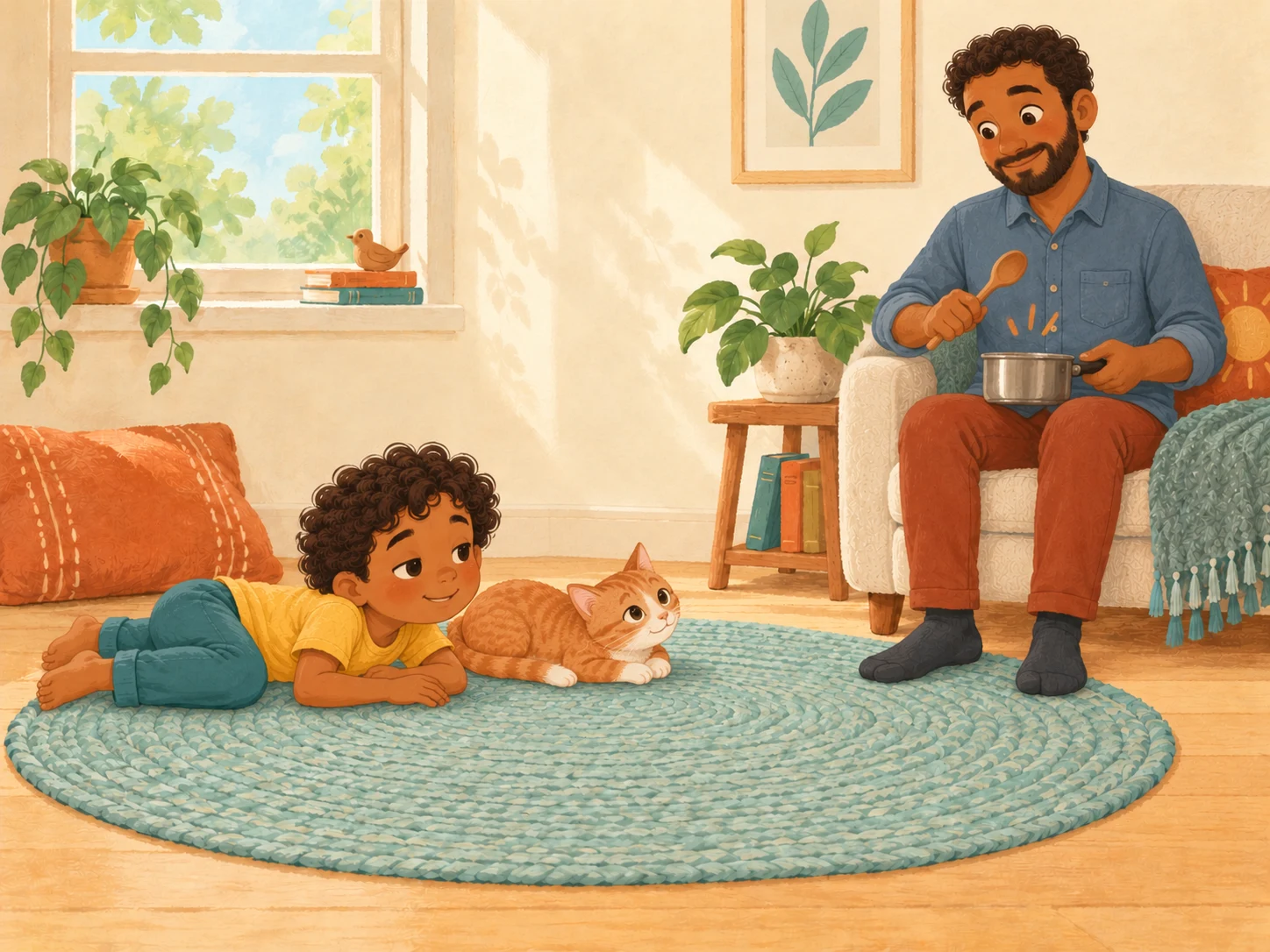
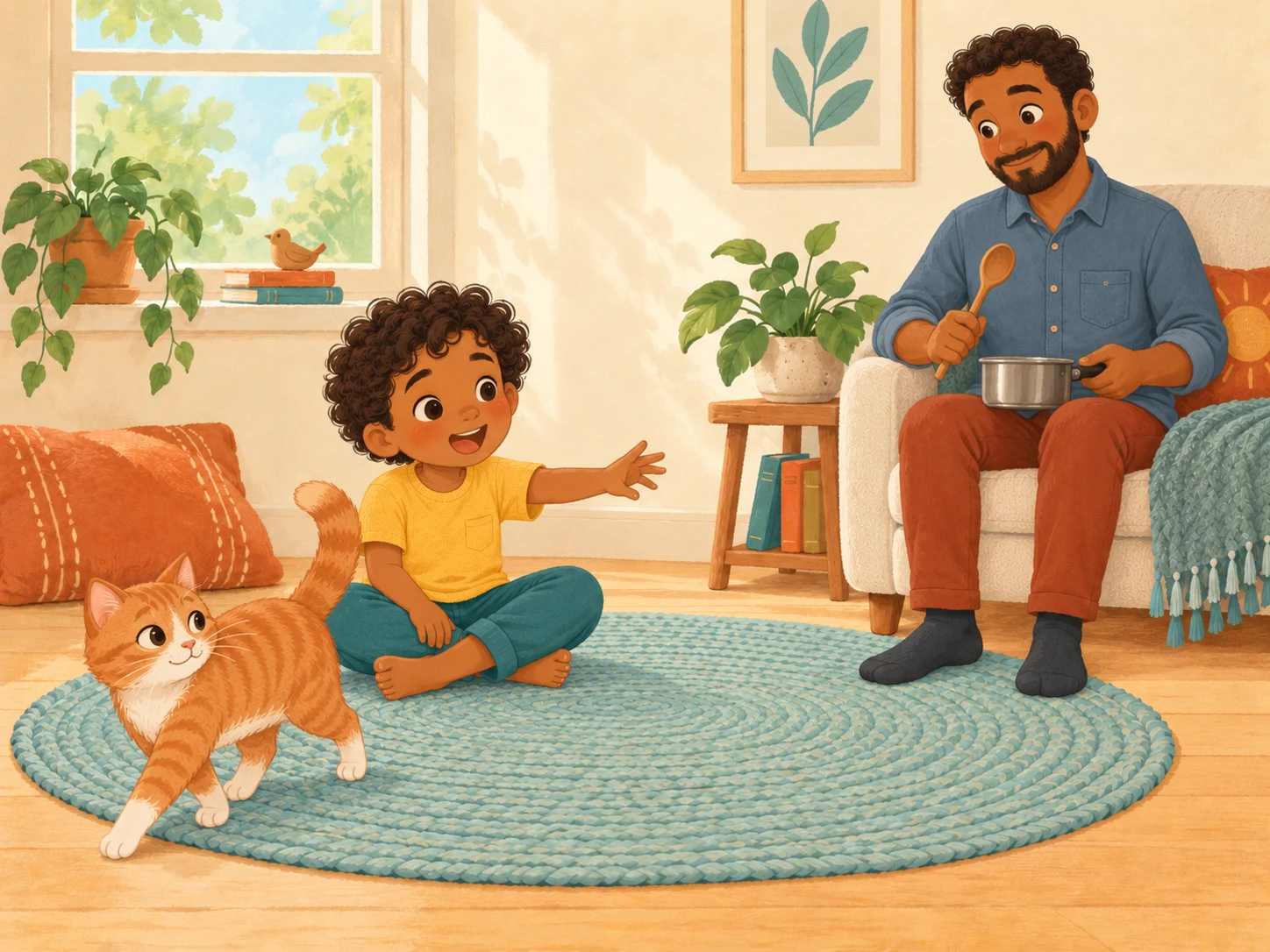
Meet Sam and a cat, then find out what happens when Dad taps a pan at nap time. Two complete eight-page illustrated stories at the same short-a sound level. Read here together or download both books. No account needed.

Will these books fit?

The regular words use s · a · t · p · n · m · d · c · r · h, with a as in apple and c as in cat. Your child also needs to join sounds in short words and follow a few connected sentences. These books need more sounds than s a t p i n; they are not first-six-sound books.

Try together: show mat, cat, sad, ran, had, pat without a picture. Can your child join the sounds with light help? This is a rehearsal, not a scored reading test.

Teach three helpers: say a (as in a cat), the (as in the cat), and is (sounds like iz). These are outside the regular short-a word check. Point to them and read a phrase together first.

Choose how to read together
  • Words feel familiar: let your child try, then help with a sound or helper word as needed.
  • Sounds are familiar but joining is hard: model one word slowly and blend it, then offer a retry. Reading together is welcome.
  • Several sounds are new, or everyone is tired: read aloud, stop, or try the sound/blending practice below. No level is assigned.

Grown-ups read the instructions and adult titles. Explain unfamiliar words such as mat, pat, pan and nap; Sam is a name. The sound audit uses English/General American pronunciations, so accent and vocabulary can affect fit. Do not ask a child to guess a printed word from its picture.

Regular words across both books: at, can, cat, Dad, had, mat, nap, pan, pat, ran, sad, Sam, sat, tap. No consonant clusters, digraphs or endings are needed in these regular words. Helpers a/the/is are taught separately.

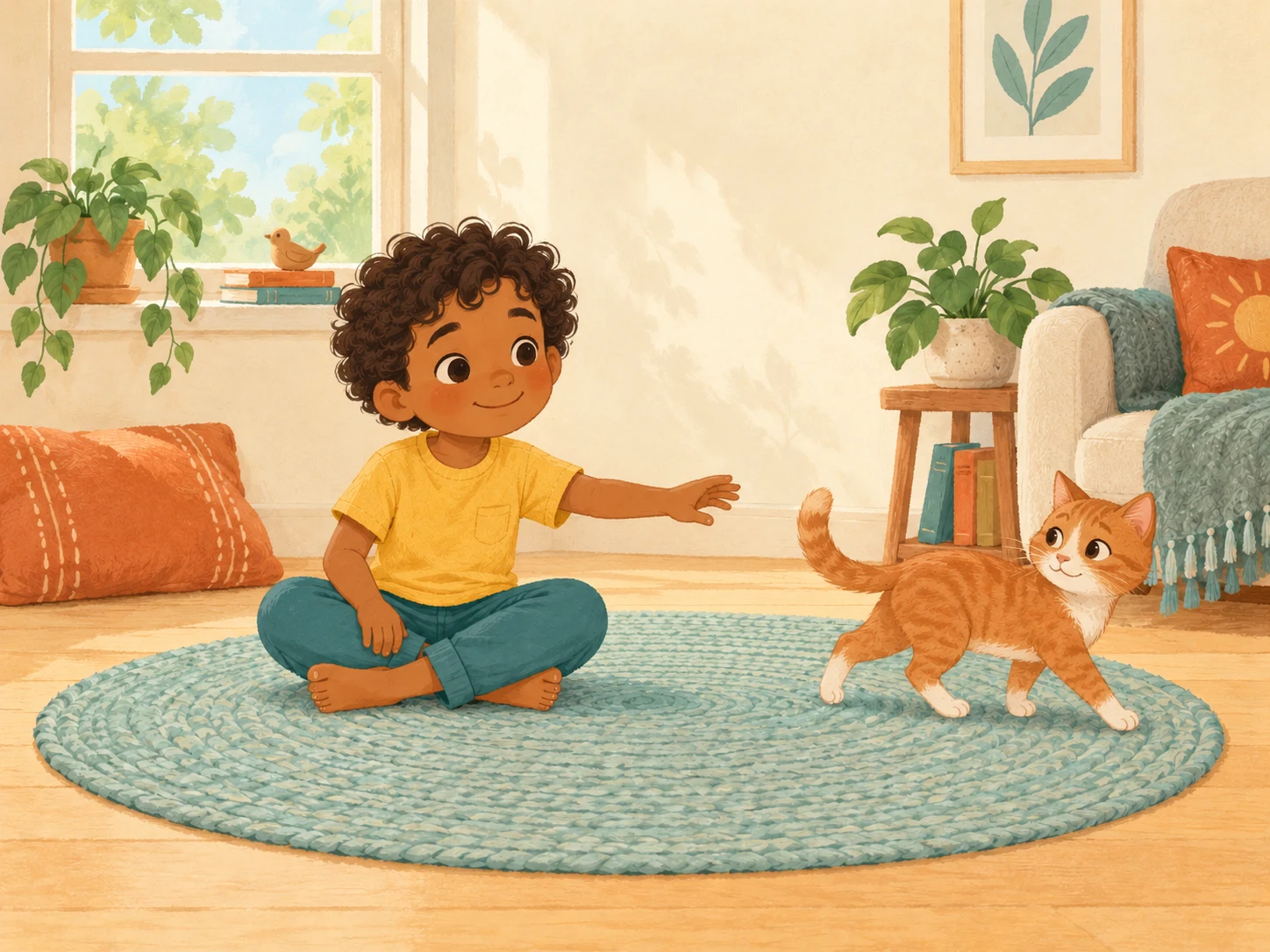
For the cat story, talk about gentle contact with a familiar pet. Never chase or approach an unfamiliar animal. A story does not predict why a real cat will approach.

Read on screen, or keep both for later

The reading PDF has both complete books, parent fit notes and talk prompts. The fold-and-staple PDF is arranged for printing two little books on US Letter paper.

How to print the little books

The reading PDF is 24 half-letter pages. For the print file, use US Letter, landscape, actual size, two-sided / flip on short edge. Print PDF pages 1–6 for book one and 7–12 for book two; fold each stack in half and staple at the fold. Check the first two-sided sheet before printing the rest. For single-sided printing, use the reading PDF instead.

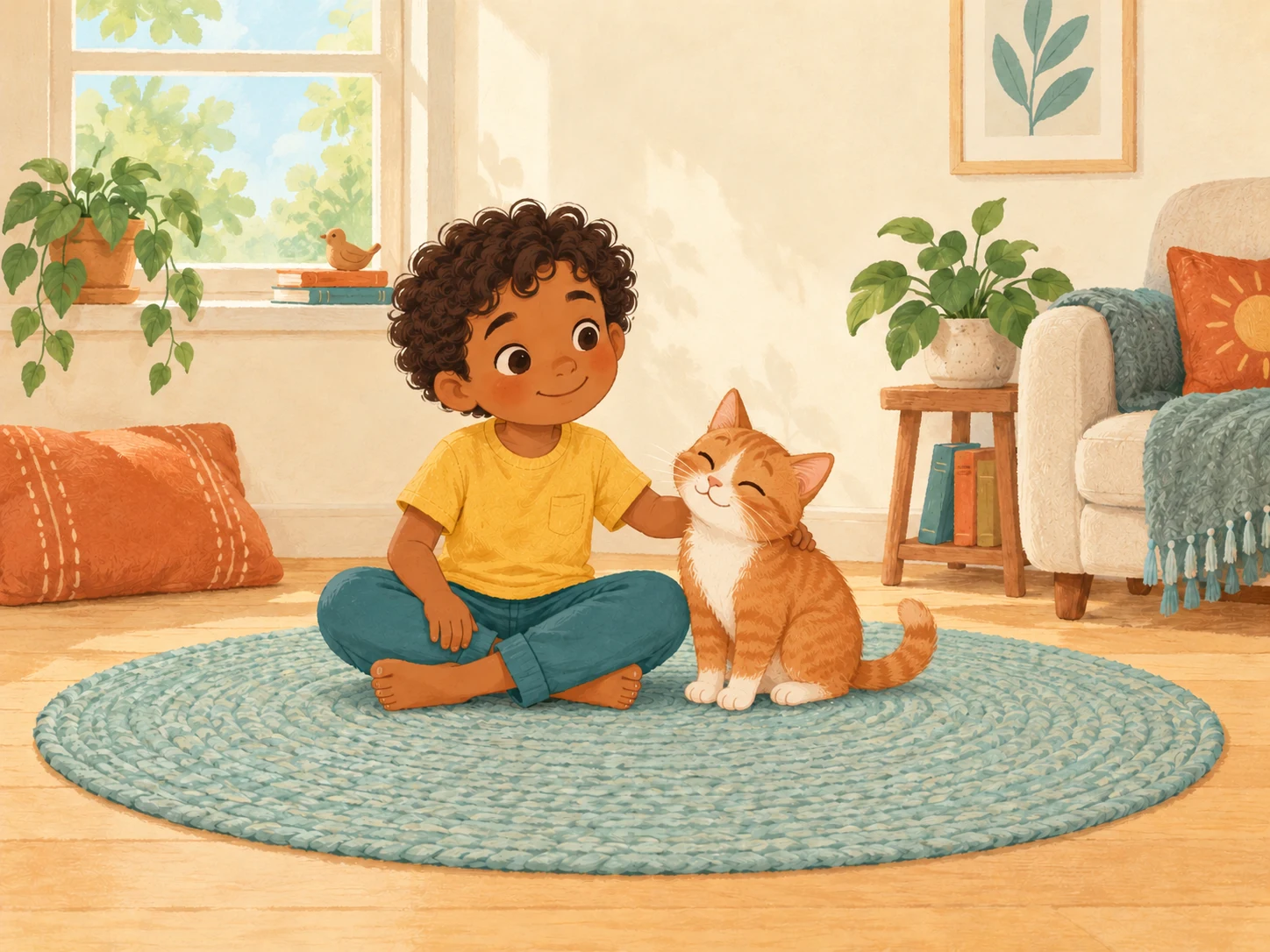
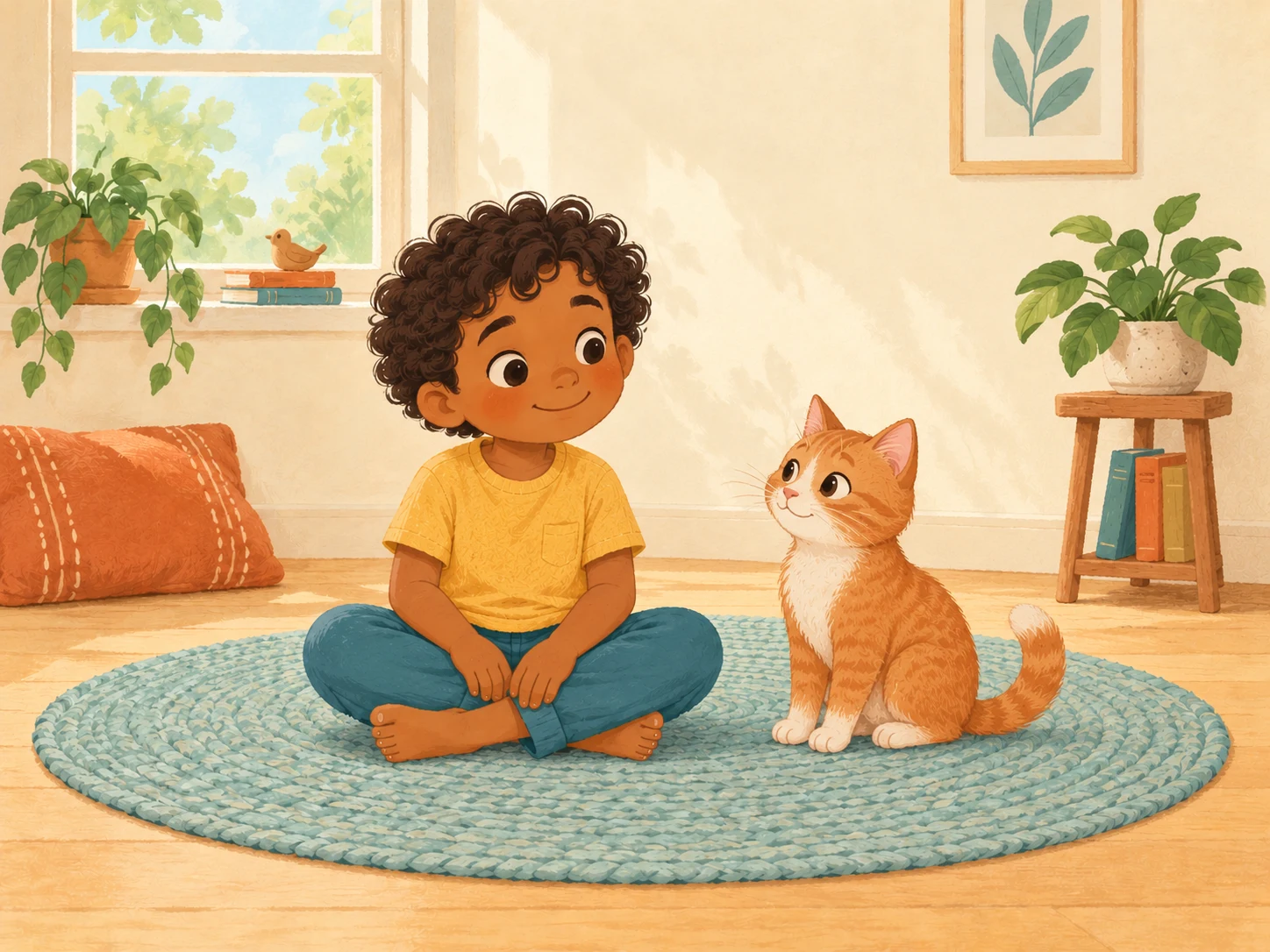
Sam gently pats the cat.Book 1 · TodaySam and the catOpen to read · 8 illustrated pages · 64 story words

Grown-up: read the instructions. Child-readable title: Sam can pat the cat. Helper words in this book: a, the, is. Read these together first.

Sam and the cat · 1 of 8

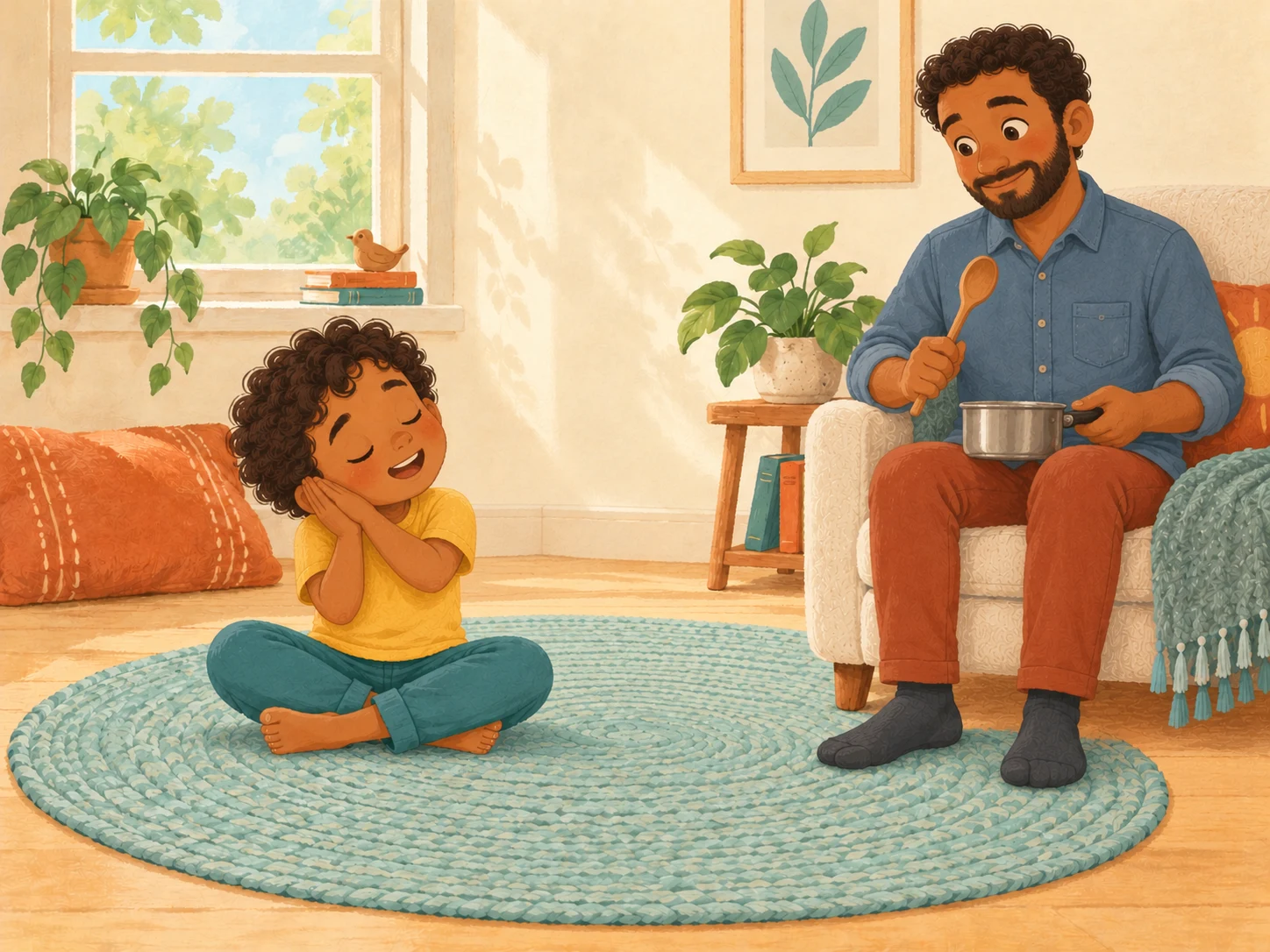
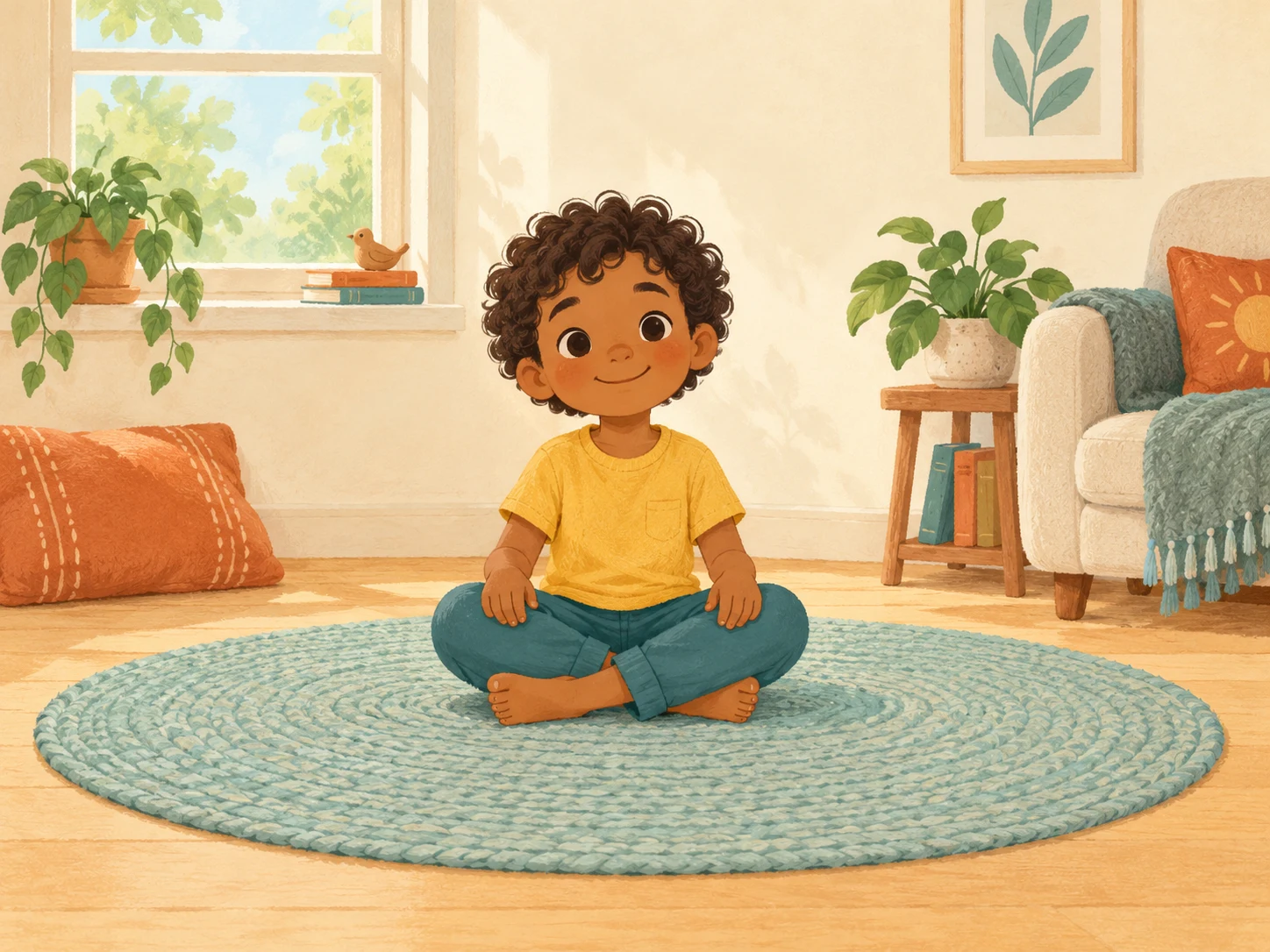
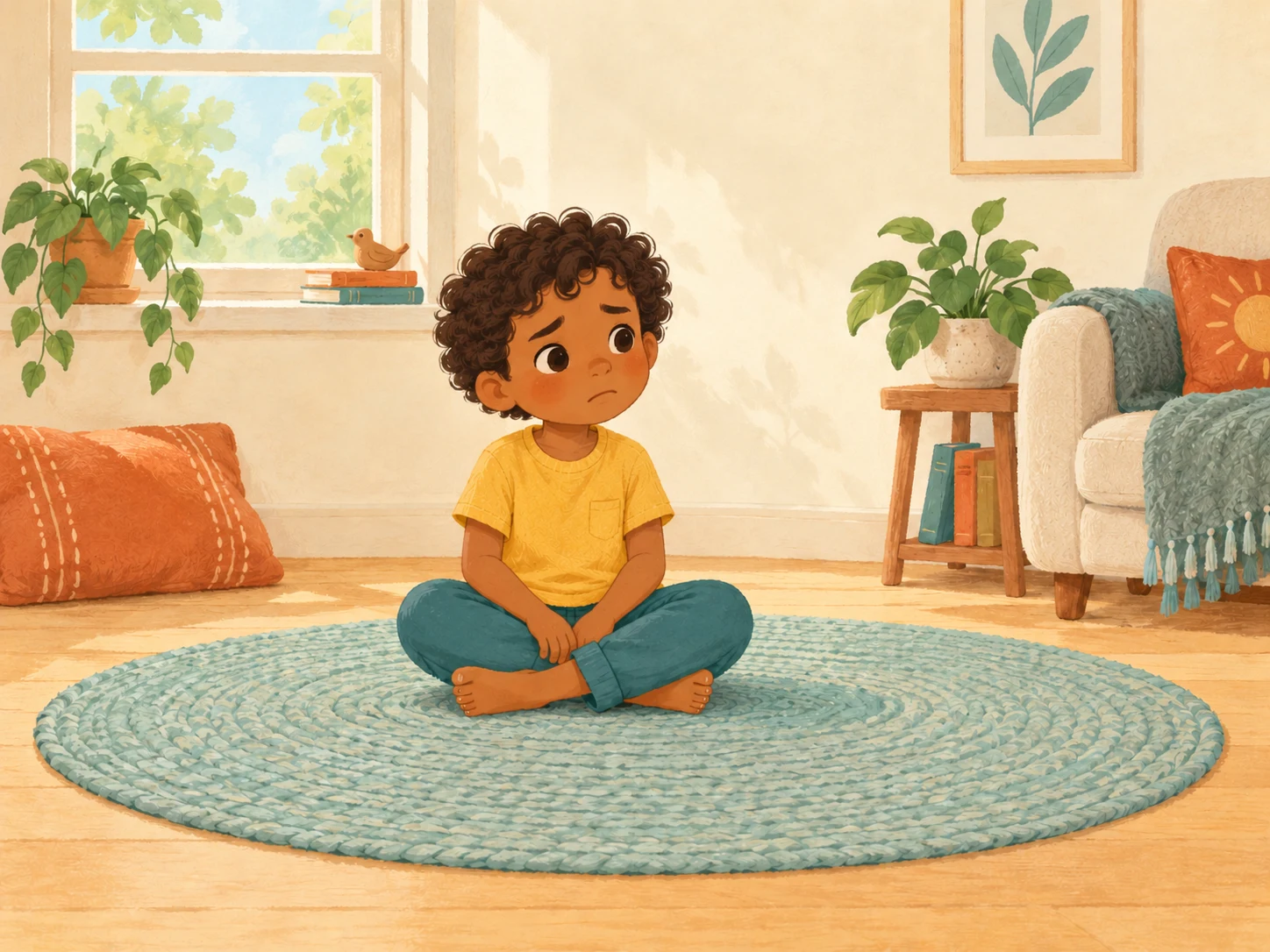
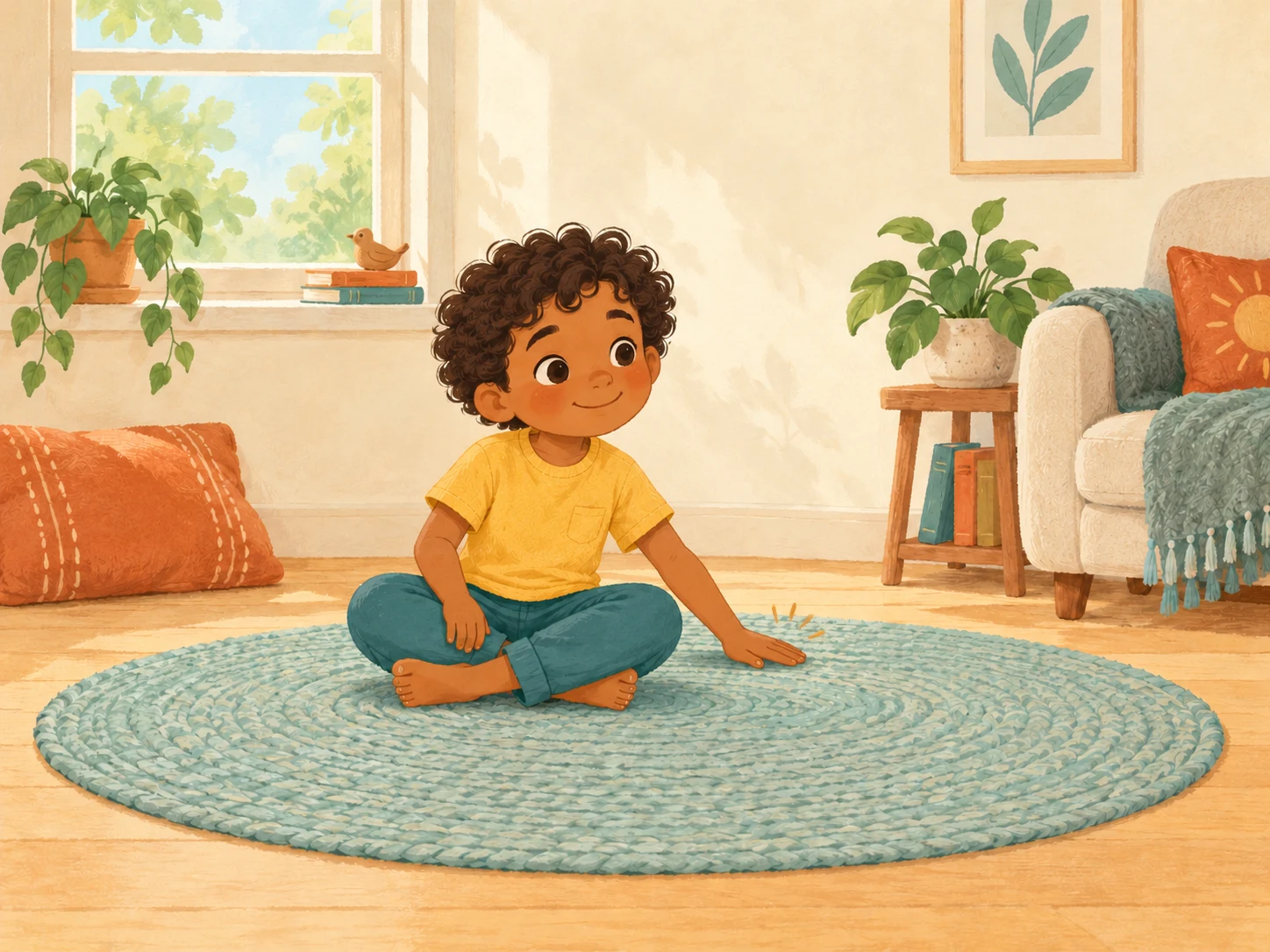
Sam sits cross-legged on a teal mat.

Sam had a mat. Sam sat.

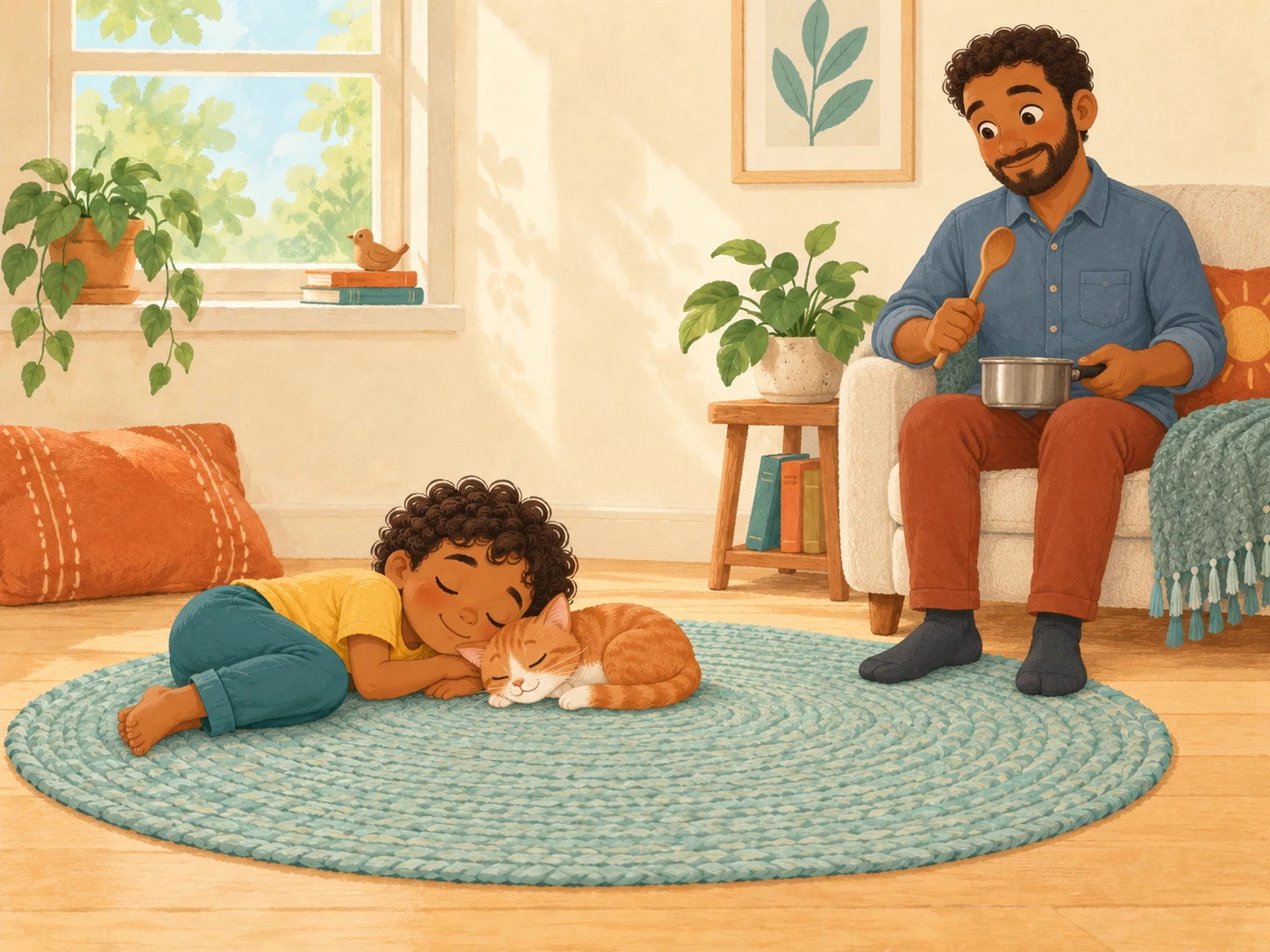
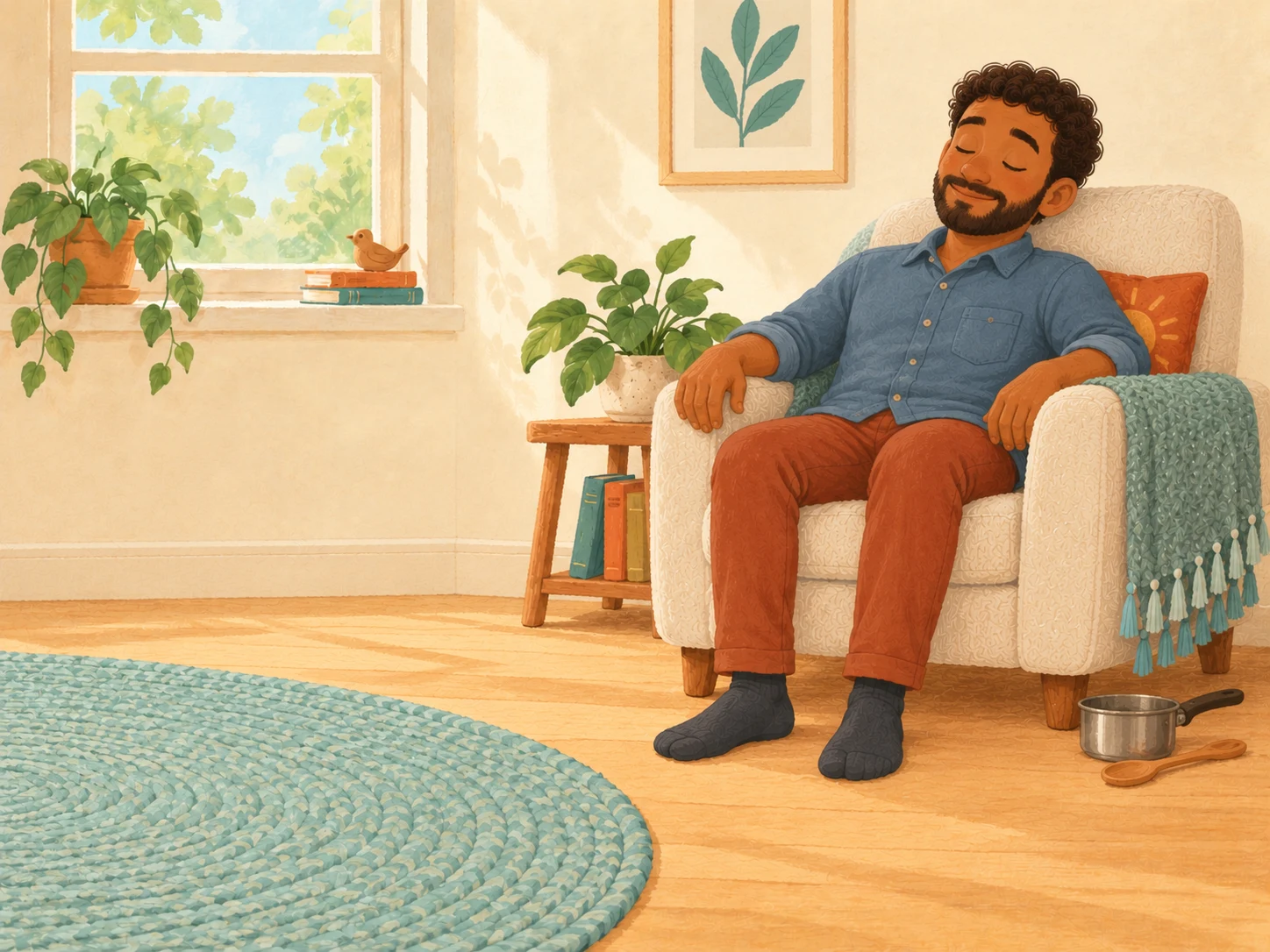
Dad holds a pan while Sam and the cat nap.Book 2 · TomorrowDad can tapOpen to read · 8 illustrated pages · 57 story words

Grown-up: read the instructions. Child-readable title: Dad can tap. Helper words in this book: a, the. Read these together first.

Dad can tap · 1 of 8

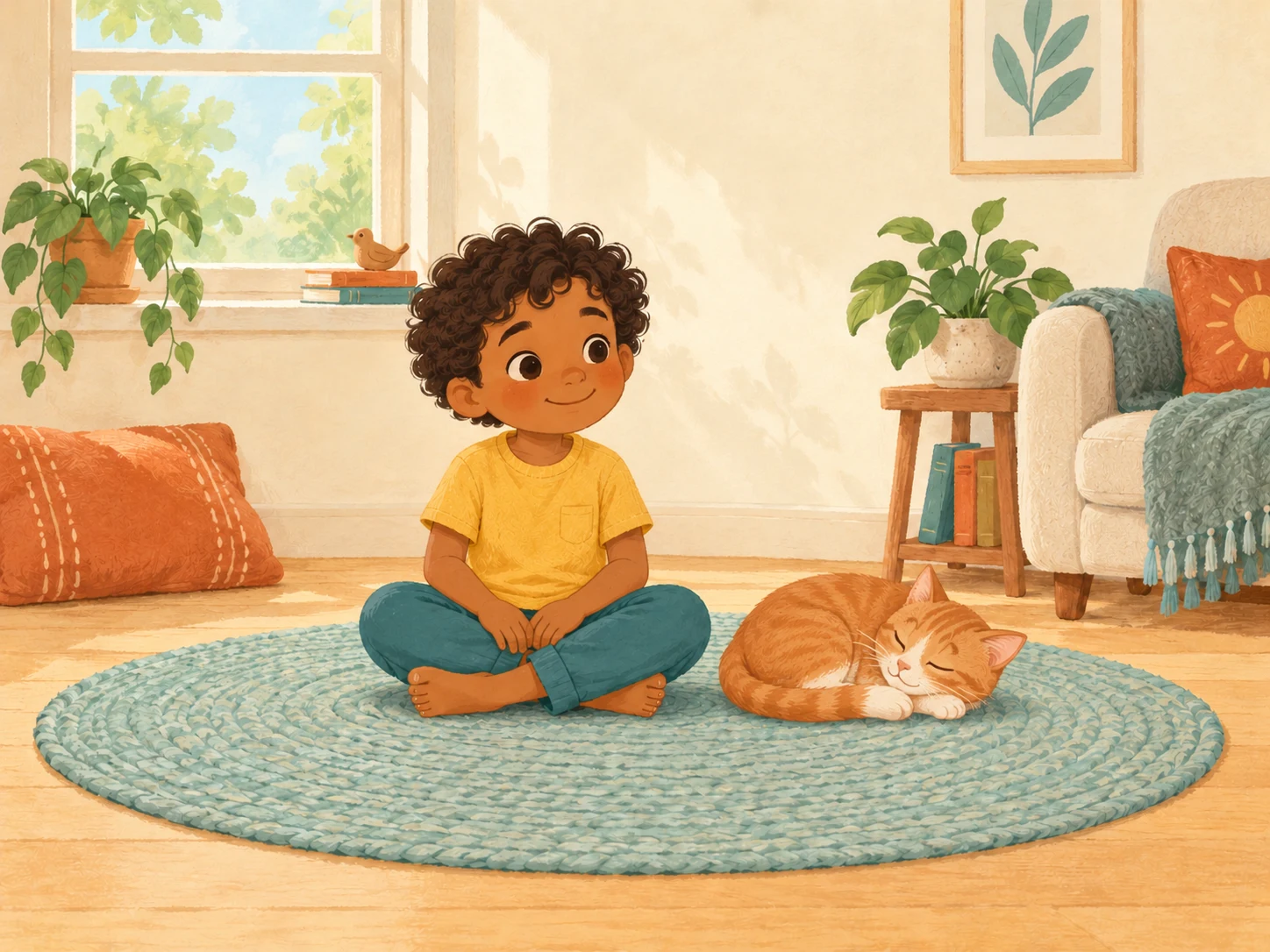
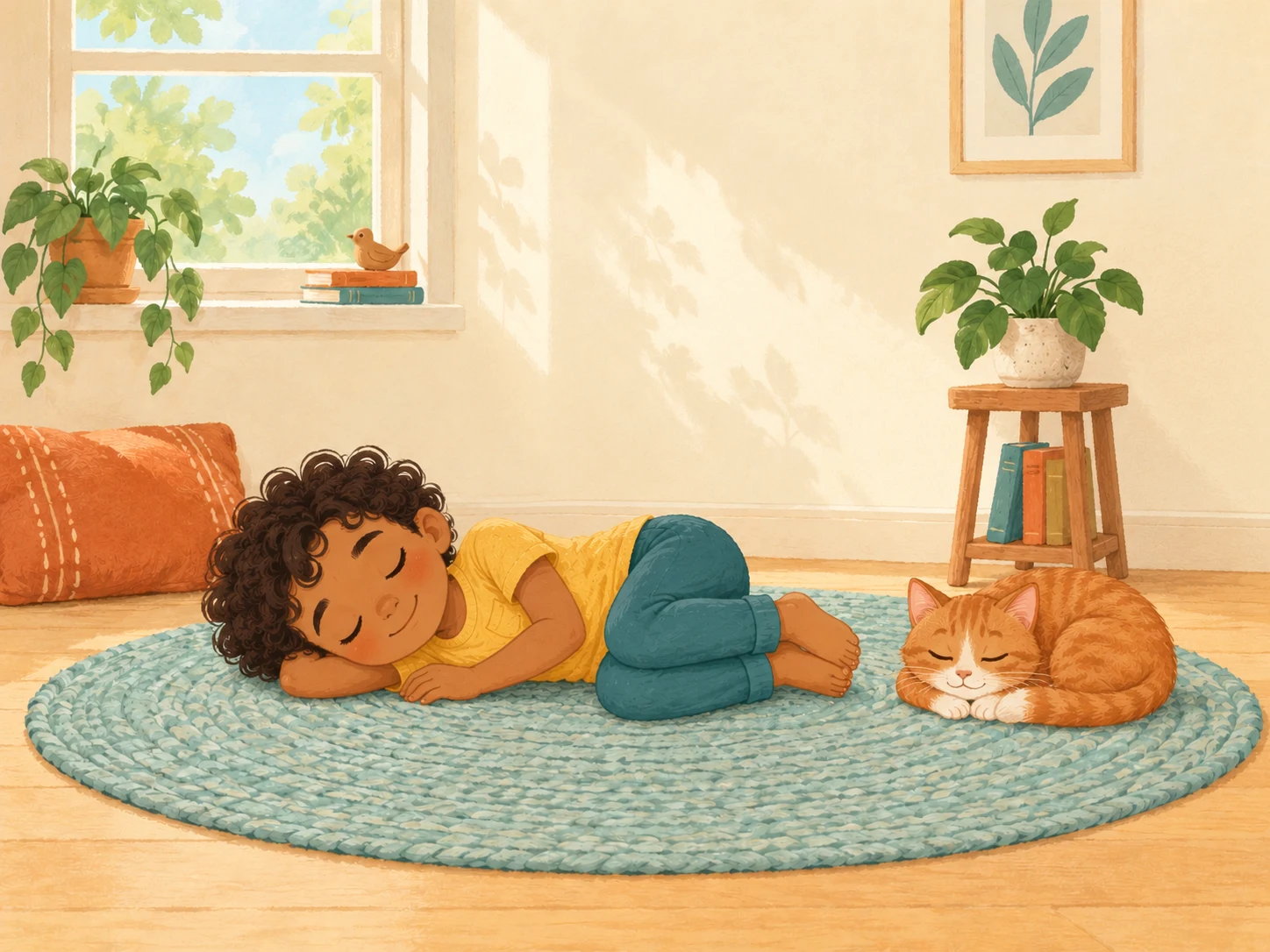
Sam and the cat are napping.

Sam had a nap. The cat had a nap.

Original ReadPals stories and illustrations. These are two small practice books, not a complete phonics curriculum or a reading assessment. Book two keeps the same sound requirements; it is not a harder level.

Free decodable story library

Seven short stories to read or print

Choose the broadest sound group your child has been taught. Then check the exact patterns and helper words on the story card before reading. This is a small set of constrained practice passages, rather than a complete teaching progression or a set of picture books.

1. Choose taught sounds

These cutoffs follow the ReadPals teaching order and include every earlier point in that order. A cutoff is only a starting point; each story lists every additional required sound below.

Showing 7 of 7 stories

Story 1

Sam and the cap

Link

Check before reading

The grown-up reads the title, this checklist, the helper words and the question. The child-read pattern check applies to the story lines only.

Required patterns
s · a · t · p · n · m · d · c · r · h
Beyond s a t p i n
m · d · c · r · h
Helper words
the

Read the helper words together first. They are outside this story's regular pattern check.

Here, c says /k/ as in cat. The child joins three sounds in words such as cap, and two in at. Sam is a name that rhymes with ham.

Words built from the listed patterns: Sam, had, cap, cat, ran, at.

If these sounds are new, practice them together first, then return to the story.

Child reads the story lines:

Sam had the cap.

The cat ran at Sam.

The cat had the cap!

Sam ran at the cat.

The cat ran.

Sam had the cap.

An original ReadPals story

Talk about it

Who had the cap at the end?

Then talk about what might have happened between the cat running away and Sam having the cap again. The story leaves that part for you to imagine together.

Read, talk, read again

Let your child blend the regular words. If they get stuck, point to each letter and help them join its sounds; supply the if needed. Keep it calm and read together when they need support.

Try a second reading for a smoother telling, without a timer.

Need help joining sounds? Try the blending guide.

Story Time opens the supported practice activity and chooses from its available stories; it does not open this exact story directly.
Story 2

Pat and the Pin

Link

Check before reading

The grown-up reads the title, this checklist, the helper words and the question. The child-read pattern check applies to the story lines only.

Required patterns
s · a · t · p · i · n
Beyond s a t p i n
None
Helper words
a

Read the helper words together first. They are outside this story's regular pattern check.

Child reads the story lines:

Pat sat.

Pat taps.

Tap, tap, tap!

A pin!

Pin it, Pat.

From ReadPals Story Time

Talk about it

What did Pat tap?

This is an inference prompt: the text introduces a pin after Pat taps, but it does not explicitly say what Pat tapped.

Story Time opens the supported practice activity and chooses from its available stories; it does not open this exact story directly.
Story 3

Frog and Crab

Link

Check before reading

The grown-up reads the title, this checklist, the helper words and the question. The child-read pattern check applies to the story lines only.

Required patterns
s · a · t · p · i · n · d · o · g · c · e · u · r · h · b · f
Beyond s a t p i n
d · o · g · c · e · u · r · h · b · f
Helper words
a · the · is

Read the helper words together first. They are outside this story's regular pattern check.

Child reads the story lines:

A frog can hop.

A crab hid in the sand.

The frog and the crab run fast.

Stop!

The crab is in a nest.

From ReadPals Story Time

Talk about it

Who is fast?

Story Time opens the supported practice activity and chooses from its available stories; it does not open this exact story directly.
Story 4

The Big Dog

Link

Check before reading

The grown-up reads the title, this checklist, the helper words and the question. The child-read pattern check applies to the story lines only.

Required patterns
s · a · t · i · n · m · d · o · g · c · u · r · b
Beyond s a t p i n
m · d · o · g · c · u · r · b
Helper words
the · is · a · to

Read the helper words together first. They are outside this story's regular pattern check.

Child reads the story lines:

The dog is big.

The dog can run.

Run, dog, run!

Sam got a cat.

The dog ran to the cat.

From ReadPals Story Time

Talk about it

What can the dog do?

Story Time opens the supported practice activity and chooses from its available stories; it does not open this exact story directly.
Story 5

Fish in a Dish

Link

Check before reading

The grown-up reads the title, this checklist, the helper words and the question. The child-read pattern check applies to the story lines only.

Required patterns
s · a · p · i · n · d · o · g · c · b · f · sh · th
Beyond s a t p i n
d · o · g · c · b · f · sh · th
Helper words
is · a · the · to

Read the helper words together first. They are outside this story's regular pattern check.

Child reads the story lines:

This is a big fish.

The fish is in a dish.

The fish can dash.

Ship the fish to the shop!

From ReadPals Story Time

Talk about it

Where is the fish?

Story Time opens the supported practice activity and chooses from its available stories; it does not open this exact story directly.
Story 6

Rain and the Moon

Link

Check before reading

The grown-up reads the title, this checklist, the helper words and the question. The child-read pattern check applies to the story lines only.

Required patterns
s · a · t · i · n · m · d · g · r · b · f · l · all · ai · ee · oa · igh · oo
Beyond s a t p i n
m · d · g · r · b · f · l · all · ai · ee · oa · igh · oo
Helper words
the

Read the helper words together first. They are outside this story's regular pattern check.

Child reads the story lines:

The goat sits at the tree.

Rain falls at night.

See the moon and the light.

Sail the boat in the rain!

From ReadPals Story Time

Talk about it

When does the rain fall?

Story Time opens the supported practice activity and chooses from its available stories; it does not open this exact story directly.
Story 7

The Car and the Cow

Link

Check before reading

The grown-up reads the title, this checklist, the helper words and the question. The child-read pattern check applies to the story lines only.

Required patterns
s · a · t · i · n · o · c · u · r · h · b · f · nk · ar · or · er · ow
Beyond s a t p i n
o · c · u · r · h · b · f · nk · ar · or · er · ow
Helper words
the · is · a · to

Read the helper words together first. They are outside this story's regular pattern check.

Child reads the story lines:

The car is far.

A cow sits in the corn.

Her car has a horn.

Honk the horn now!

The cow runs to the barn.

From ReadPals Story Time

Talk about it

Where does the cow sit?

Story Time opens the supported practice activity and chooses from its available stories; it does not open this exact story directly.
Free CVC sentence practice · adult led

One sentence at a time, using sounds you choose

Choose letter sounds your child has been taught, then pick a few sentences to read or print. Supply the helper words listed for your set. This is practice, not an assessment.

Before you start

Sam and Pat are names: capital S and P use the same sounds as lowercase s and p here. Explain unfamiliar words first. Vowel sounds can vary by accent; use the examples to check the sound you mean. Helper words such as a, the and is need adult support.

1. Choose the sounds that have been taught

Select each sound, including consonants. A starting set replaces your sound choices; it does not select sentences for you.

Selected sounds: none yet.

Choose individual sounds
2. Choose your sentence set

No matching sentences yet. This small library may not cover your chosen sounds. Change the sounds only if they have been taught, or use the story library below.

Continue to the seven-story library — check each story’s own patterns and helper words; these sound choices do not filter the stories below.

ReadPals · Selected sentence practice

Practice with an adult, not an assessment. 0 sentences.

Letter sounds already taught: .

Adult supplies these helper words: none. Say them for your child when they appear.

Sam and Pat are names. Capital letters use the same sounds as lowercase here. Explain unfamiliar meanings first; pause whenever needed.

    Original ReadPals story sentences · readpals.com/decodable-reading-practice/

    Every answer comes from decoding

    Students read a word and choose the picture it names, or read a sentence and act it out. Each response shows what they can decode.

    Systematic and sequential

    Graphemes and blends are introduced in a gentle, explicit order that complements structured-literacy instruction.

    Adapts to each reader

    In the ReadPals app, each lesson is planned from what the reader has just shown, so new patterns arrive when they are ready and shaky ones come back for review.

    Runs independently

    Spoken instructions let early readers work on their own at a station while you teach a group, and the free games need no account.

    What makes practice decodable

    Practice is decodable for a particular reader when every word in it can be sounded out using patterns that reader has been taught. The same sentence can be decodable for one student and not yet for another, which is why decodable practice follows a scope and sequence rather than a general reading level.

    The goal is simple: give students plenty of chances to succeed by sounding out, so that decoding becomes automatic and confident. When the words in front of a beginner match what they know, every page confirms that their phonics skills work.

    • Words use only taught grapheme-phoneme correspondences.
    • A small number of taught high-frequency words, practiced separately.
    • Pictures that support meaning while the word itself does the work.
    • Enough repetition of new patterns to build automaticity.

    Where decodable practice fits in a lesson

    A typical systematic phonics lesson introduces a new pattern explicitly, practices it in isolation, then applies it in words and connected text. Decodable practice is that application step. It works best right after the pattern is taught and again in spaced review over the following days.

    Students also thrive on rich language from read-alouds and discussion. Decodable practice builds accurate decoding, and read-alouds build vocabulary and a love of stories; together they make well-rounded readers.

    For a reader who already blends short-vowel words and is being taught silent e, tap and tape make a useful comparison before connected reading. The separate CVCe word list includes audio and printable cards for that pattern; these short-a mini-books do not teach it.

    Practice silent-e pairs with the CVCe word list

    Ideas for using decodable practice in your room

    Pair a new pattern with a short burst of decodable words the same day, then bring it back two or three days later. Spaced review is where automaticity grows. Partner reading works well too: one student reads a decodable line while the other checks the picture or acts it out.

    Keep a quick record of which patterns each student reads easily and which still take effort. A simple map of mastered and practicing sounds is enough to plan tomorrow’s small groups, and it is far more useful than a single overall score.

    How ReadPals phonics supports it

    ReadPals activities are built around the same principle: a correct answer comes from decoding. In Picture Pick a student reads a printed word and taps the matching picture, and the word is spoken only after they answer. In Silly or Right? they decide whether a printed word really names the picture. In Read and Do they read one short sentence and prove it by making it true on screen.

    Beyond single-syllable words, students practice splitting longer words into syllables, naming syllable types, and working with prefixes, suffixes, and endings. In the ReadPals app, the grown-up view shows which patterns a reader has learned, which they are practicing, and what comes next.

    ReadPals complements your core program and your decodable books. It adds independent, checkable practice between lessons, and the free games on this site are ready to use as a station today.

    Free game · no account

    Try Read and Do

    Students read one short line, then prove they read it by making it true on the stage. Decoding plus comprehension, in about a minute.

    Play Read and Do
    Questions

    Common questions

    What do the free printable books include?

    Sam and the cat has eight illustrated story pages and 64 story words. Dad can tap continues with the same characters and sound requirements in eight pages and 57 words. The reading PDF includes both complete books with parent fit and talk notes; a separate US Letter file is arranged to fold and staple into two little books. There is no account gate.

    Are these books suitable after learning s a t p i n?

    Not after those sounds alone. Their regular words require s, a, t, p, n, m, d, c, r and h, with short a as in apple and c as in cat. The reader also needs to blend short words and rehearse a, the and is with a grown-up. The fit rehearsal is not a reading assessment or a grade level.

    What is decodable text?

    Decodable text is reading material written so that a beginner can sound out every word using the letter-sound patterns they have already been taught, plus a few high-frequency words practiced in advance. It lets students apply phonics rather than rely on memory or pictures.

    How is decodable text different from leveled text?

    Leveled books are organized by overall difficulty, such as sentence length and vocabulary, and draw on many spelling patterns at once. Decodable texts are matched to the specific patterns a reader has been taught. Both have a place; decodable practice is the one to reach for while students are still learning to decode.

    What does a scope and sequence mean in phonics?

    A scope and sequence is the planned order in which sounds and spelling patterns are taught, from simple single letters to digraphs, blends, vowel teams, and multisyllable words. Following one means every new lesson builds on what came before.

    Can I use ReadPals games in my classroom for free?

    Yes. The phonics games on this site are free, need no account, and can be embedded on a class website. If you would like to use the full ReadPals app with your students, email hello@readpals.com and we will help.

    Add a decoding station this week

    Free phonics games that run in any browser, with no account needed.

    Try the free games

    Plays in your browser · Lessons that adapt · Grown-ups stay in charge